

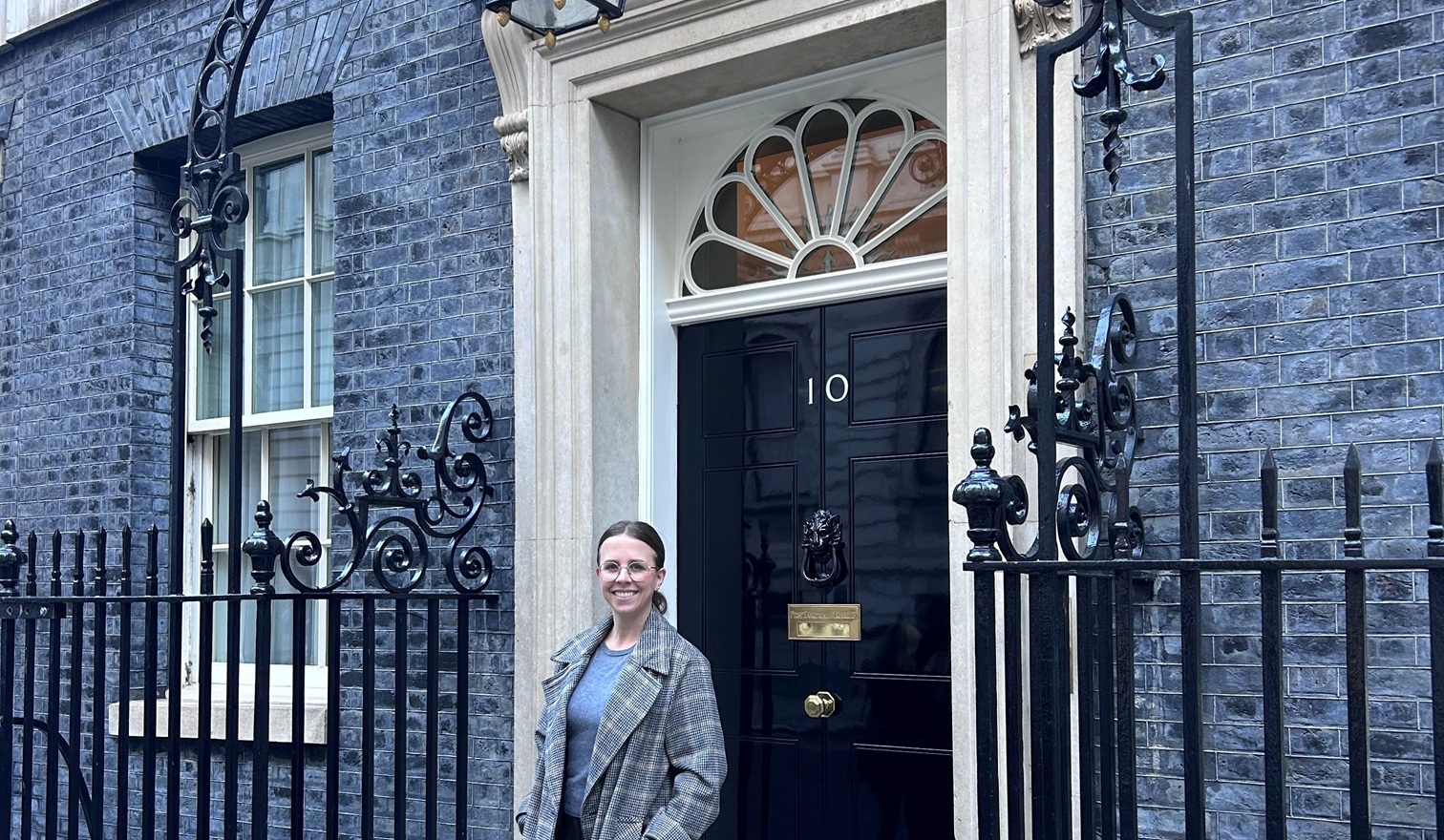
Recently I had the opportunity to attend the Room to Breathe Frontline Roundtable at 10 Downing Street, joining representatives from charities, community organisations and frontline services from across the country. The session brought together people working directly with individuals and families affected by the cost of living crisis, creating a space to share experiences and discuss practical changes that could make a real difference.
The discussion focused on the everyday barriers that can push people towards crisis, and what can be done to prevent that from happening.
One of the strongest themes that emerged was the importance of earlier intervention. We explored how data-driven approaches, such as the Low Income Family Tracker (LIFT), can help identify households that may need support before challenges escalate. Conversations centred around how tools like this could be expanded to help more people access assistance at the right time.
We also reflected on the changing landscape of support services. Since the pandemic, many face-to-face services have reduced or disappeared altogether, creating additional challenges for people seeking help. Attendees discussed opportunities to bring support closer to communities through more accessible One Stop Shop models and by embedding services, such as welfare and advice support, within trusted community settings like GP surgeries.
Another key issue raised was the experience many people have when engaging with the benefits system. Across the room, organisations shared concerns about delays in claim processing, lengthy decision-making times and the difficulties faced by people who have limited access to phones, email or digital services. There was a strong sense that greater flexibility is needed when individuals are navigating significant life events such as bereavement, ill health or the arrival of a new baby, particularly when financial pressures are already mounting.
The discussion also highlighted the need to improve awareness and uptake of unclaimed benefits. For many people, vital financial support is available but remains inaccessible simply because they are unaware of their entitlement or struggle to navigate the system.
What stood out throughout the session was the shared commitment to finding practical, achievable solutions. While the challenges discussed were significant, the focus remained firmly on the small changes that could have a meaningful impact on people’s lives and help prevent crisis before it happens.
For those of us working on the frontline, the roundtable was a valuable opportunity to ensure that the experiences of the people we support are heard directly by policymakers. It was encouraging to be part of a conversation focused not just on the challenges people face, but on the actions that could help remove barriers, strengthen support and improve outcomes for those who need it most.