

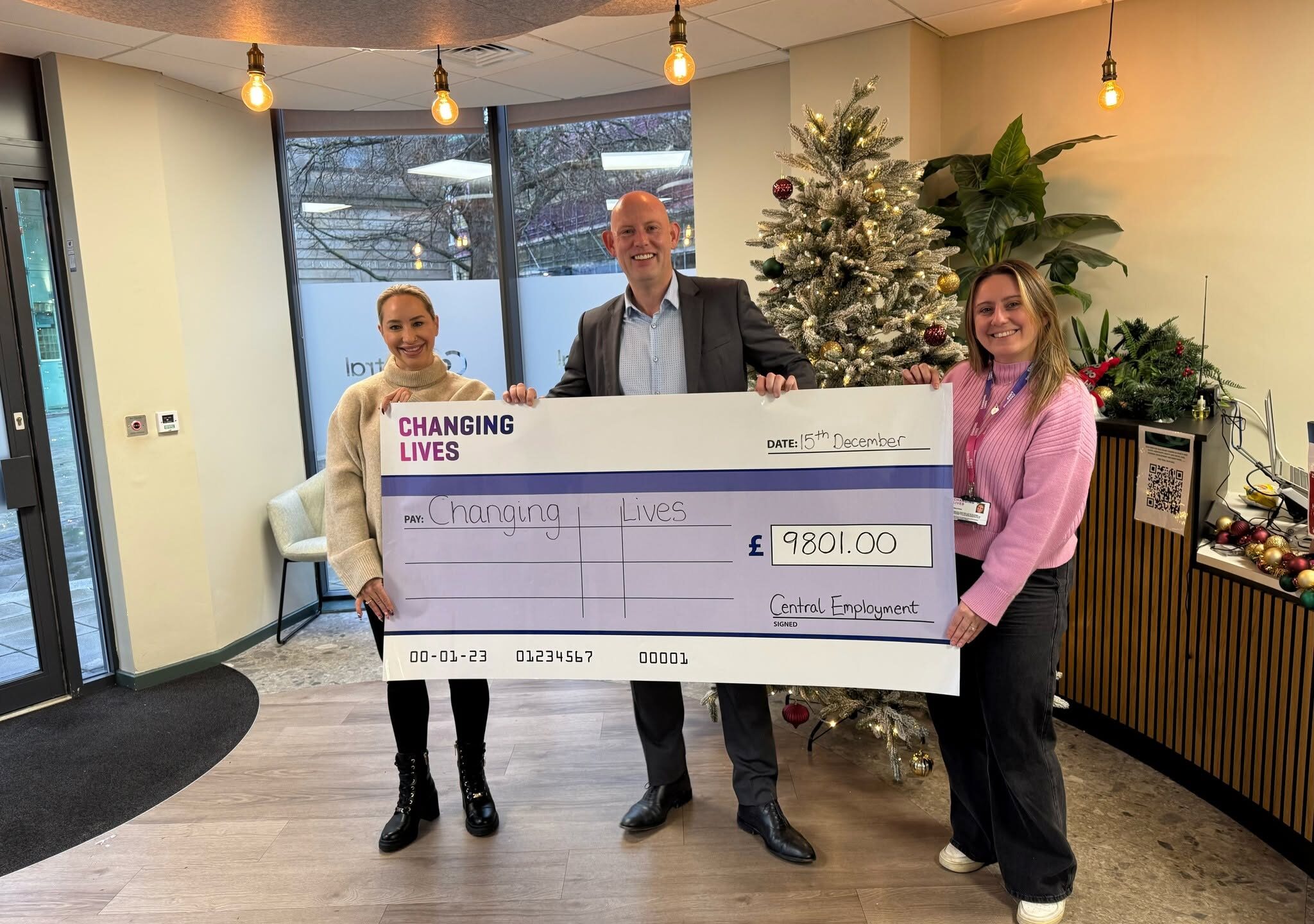
Corporate giving is usually framed as a CSR decision first and a financial one second. For finance teams structuring the donation, it’s worth knowing exactly which relief applies, because the mechanism, and the documentation it requires, changes depending on what’s being given.
Cash donations: relief against Corporation Tax
Under section 189 of the Corporation Tax Act 2010, qualifying charitable donations made by a company are deducted from total profits before Corporation Tax is calculated. This is sometimes called “Corporate Gift Aid”, but the name is misleading. Unlike Gift Aid claimed by individuals, the charity does not reclaim any tax from HMRC on a company donation. The relief sits entirely with the company as a deduction against profits, not as a top-up to the value of the gift itself.
For a company paying the main rate of Corporation Tax (25%, which applies to profits above £250,000), a £10,000 donation reduces the tax bill by £2,500, so the net cost of the donation is £7,500. Companies with profits at or below £50,000 pay the small profits rate of 19%, giving a smaller saving of £1,900 on the same donation. Profits between £50,000 and £250,000 fall under marginal relief, which tapers the effective rate between the two (the effective marginal rate within this band is 26.5%). Whatever the company’s rate, the donation itself is not increased: the £10,000 that reaches the charity is £10,000, not £12,500. The saving is on the company’s own tax position.
Section 189 also caps the relief: the deduction “is limited to the amount that reduces the company’s taxable total profits for the period to nil”. A donation can’t be used to create or increase a loss for tax purposes.
Qualifying donations are entered in the Deductions and Reliefs section of the CT600 (Box 305), after switching Box 115 to “Yes”.
Non-cash donations: equipment, trading stock, land, property and shares
The relief extends beyond cash. Equipment and trading stock given to a registered charity can also be deducted from profits, and separate capital allowances rules apply to equipment donated this way.
Gifts of qualifying shares, securities, or land and property to a charity carry their own relief route under Chapter 3 of Part 6 CTA 2010, broadly equivalent to the relief available to individual donors. There is also a separate, long-standing rule (originating in section 257 of the Taxation of Chargeable Gains Act 1992) treating a gift of an asset to a charity as a no gain/no loss disposal for the purposes of tax on chargeable gains. Companies don’t pay Capital Gains Tax as such (that’s the individual-taxpayer term); the equivalent for a company is Corporation Tax on chargeable gains, and it’s this that the no gain/no loss treatment addresses.
The detail of how these two reliefs interact, and the formula used to calculate the relievable amount, is genuinely technical: the legislation includes an explicit rule against claiming double relief on the same disposal, and the relievable amount itself is calculated net of any benefit received and any incidental costs, rather than simply equal to market value. This is an area where it’s worth getting specific advice from an accountant before a gift of shares, land or property is structured, since the right answer depends on the company’s own figures and the asset involved.
One restriction that does apply straightforwardly: a company cannot donate shares in itself. The relief is for shares in other companies, recognised securities, and units in authorised unit trusts.
Sponsorship: a different test
Sponsorship payments, where the company receives promotional or marketing benefit in return, such as event branding, logo placement, or programme acknowledgement, are tested differently from donations. Because the company gets something back, HMRC treats the payment as a business expense rather than a charitable gift, deductible where it’s incurred wholly and exclusively for the purposes of the trade.
There’s a related but distinct rule worth knowing, set out in section 197 CTA 2010, which governs how much benefit a charity can give a corporate donor before a payment intended as a donation stops qualifying for relief altogether. The limits are tiered: where the payment doesn’t exceed £100, the benefit can be worth up to 25% of the payment; where the payment exceeds £100, the limit is £25 plus 5% of the amount above £100, subject to an overall cap of £2,500. This rule determines the boundary of a qualifying donation, not the test for sponsorship itself, but it’s the relevant reference point any time a corporate gift comes with something attached, since getting the categorisation wrong (donation versus sponsorship versus a donation that’s tipped into a non-qualifying payment by an over-generous thank-you) affects which relief applies and whether it applies at all.
What this looks like in practice
A corporate partner supporting Changing Lives might combine more than one of these routes: cash donations toward a specific service, sponsorship of an event with a clear promotional return, or a gift of shares, land or property where the relief on the chargeable gain makes the timing more efficient than a sale. Each route is tested separately, and getting the categorisation right at the point of giving is what determines which relief applies and which box it lands in on the CT600.
We work with corporate partners across the North East to structure giving in whichever way suits their finance function, and can put your team in touch with ours to talk through the detail before anything is committed.
*This article is for general information only and does not constitute tax or accounting advice. The reliefs described here are correctly stated to the best of our knowledge as of June 2026, but tax legislation and HMRC guidance change, and the right treatment depends on a company’s own circumstances. Companies should confirm the position with their accountant, or with HMRC directly, before relying on any of the reliefs described here.*
Support our work
If you want to support our work providing help for people fleeing domestic abuse, please consider donating regularly today.